In the rapidly evolving digital landscape of 2026, data is the most valuable asset for any enterprise. Choosing the right storage infrastructure—whether opting for scalable Cloud Storage platforms or high-speed Desktop Hard Drives & SSDs—directly impacts daily operational efficiency, disaster recovery, and cybersecurity compliance.
1. Understanding Cloud Storage: Flexibility & Accessibility
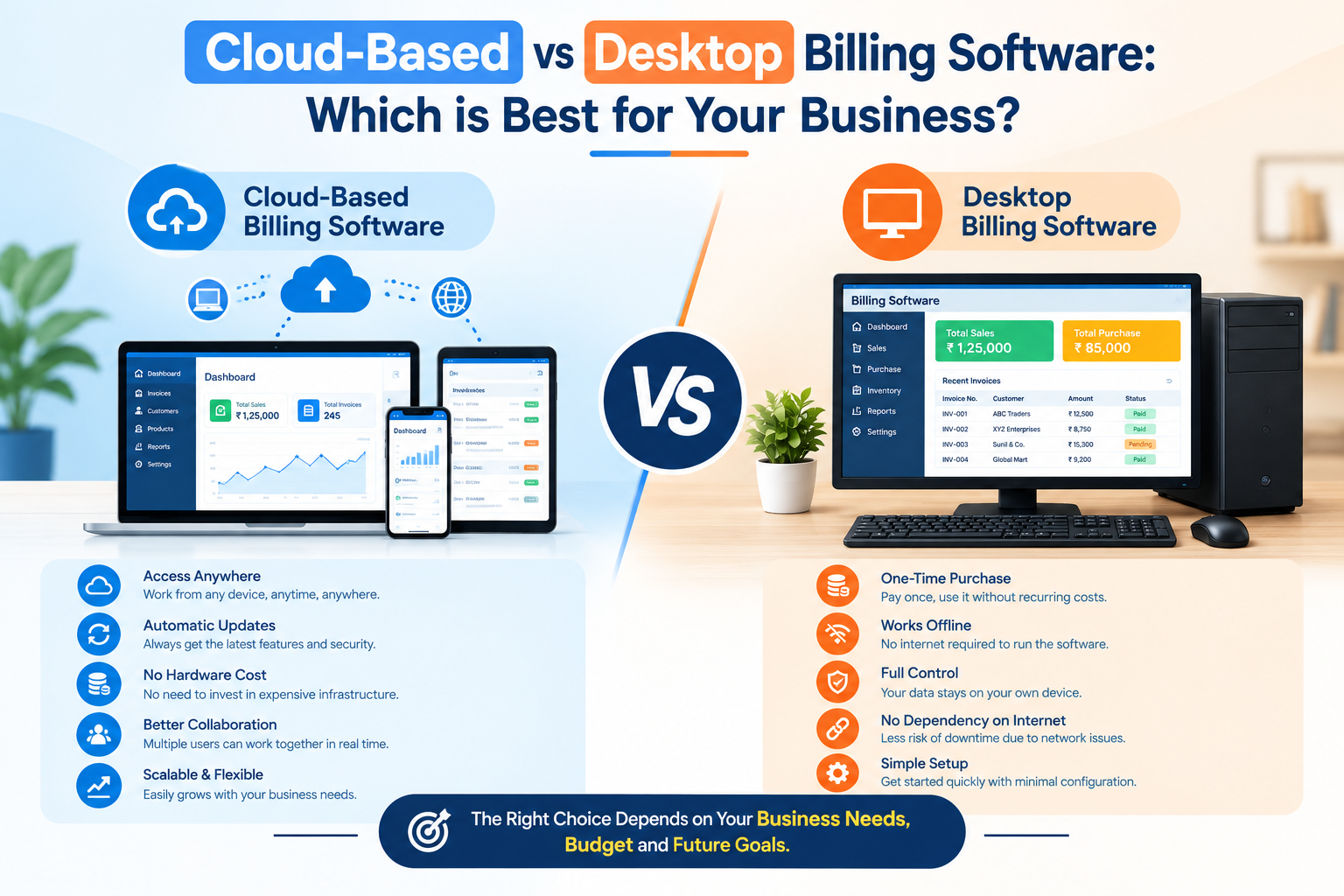
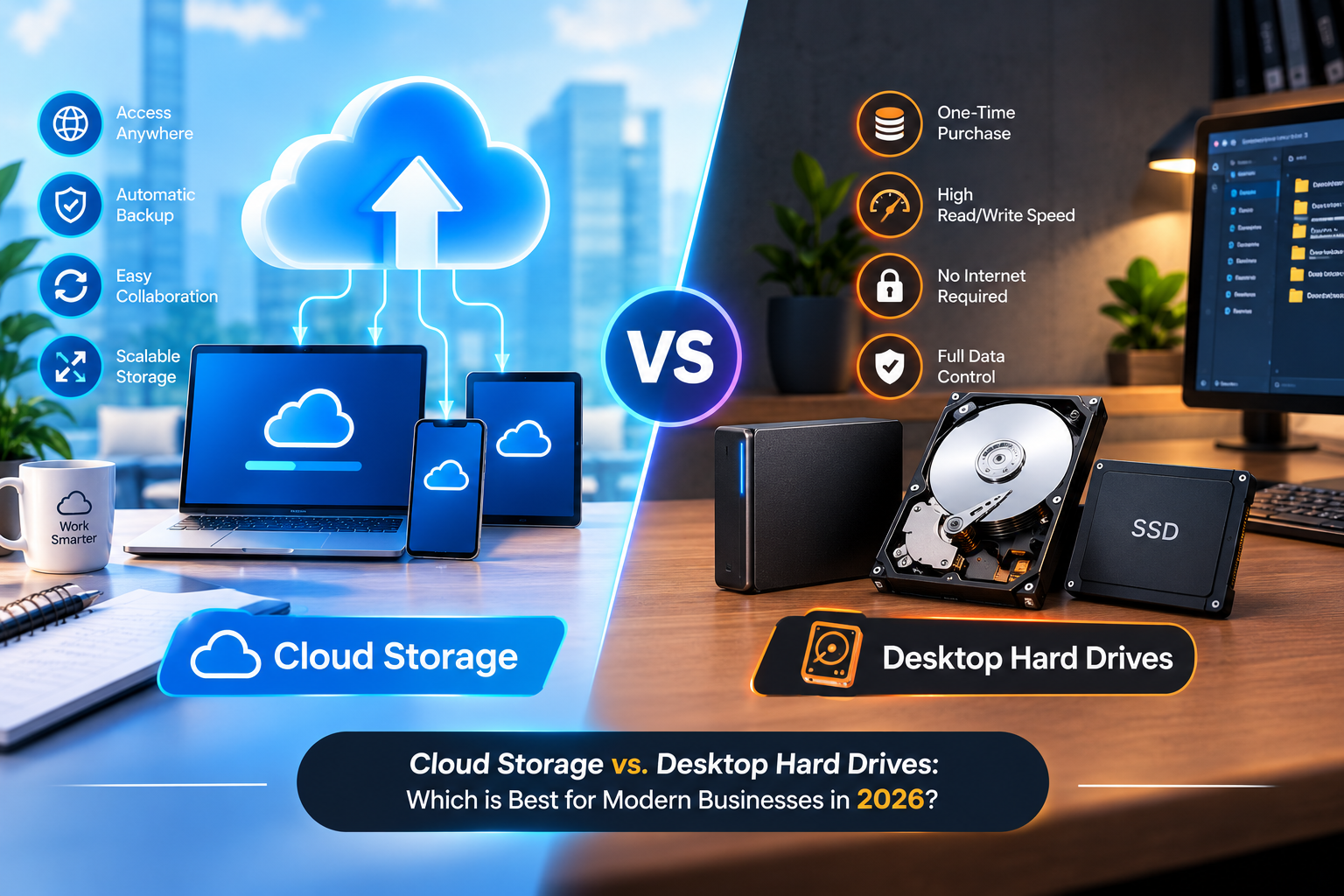
Cloud storage allows organizations to store files on remote servers maintained by third-party hosting providers, accessible anytime via the internet. It eliminates physical hardware limitations and offers seamless remote collaboration for distributed teams.
- Remote Accessibility: Access critical business documents and databases securely from any global location or device.
- Automatic Scalability: Effortlessly upgrade your storage tiers as your business data grows without buying physical server racks.
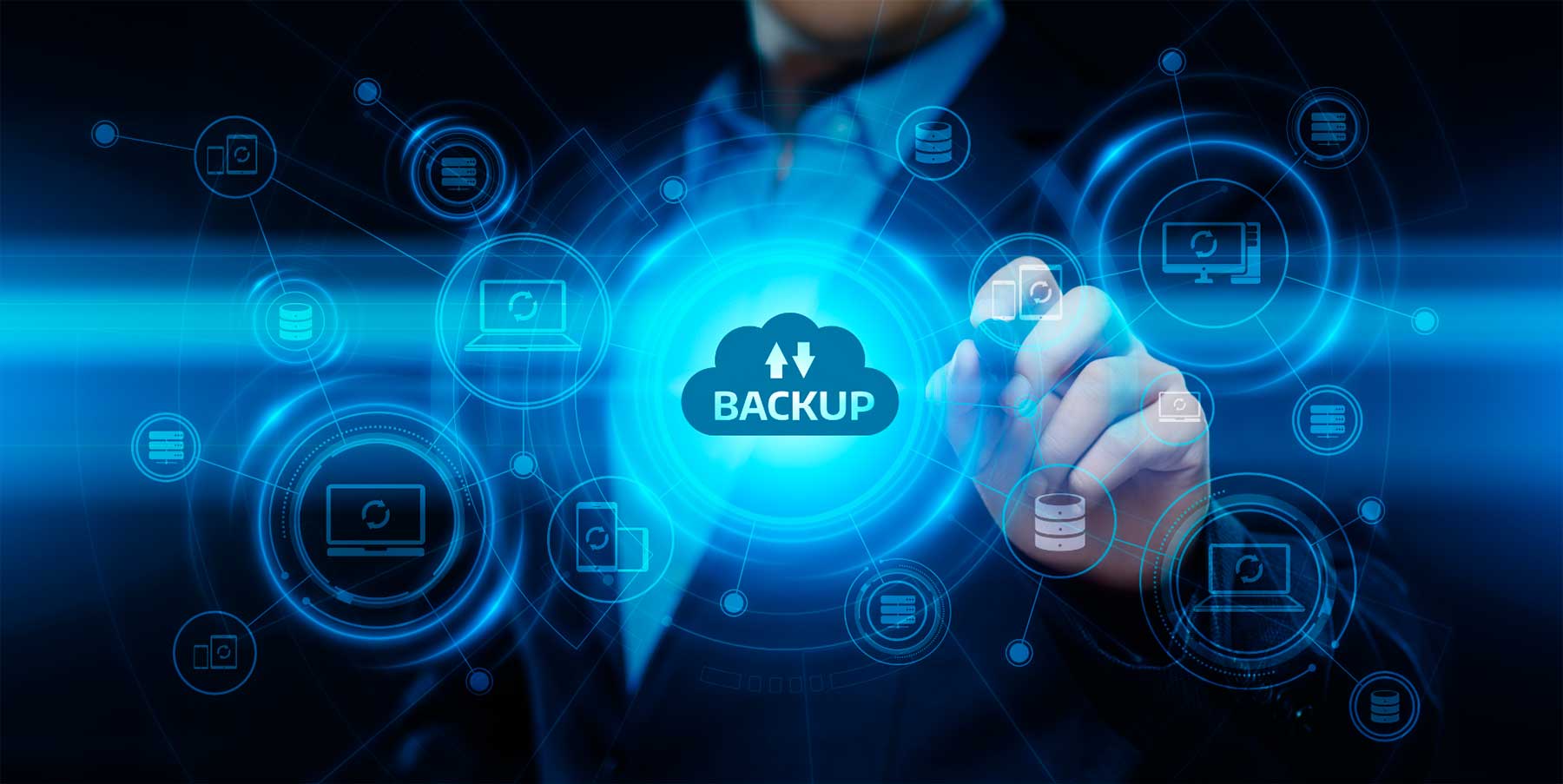
- Built-in Redundancy: Automatic multi-region replication safeguards your files against localized hardware failures.
2. Understanding Desktop Hard Drives: Control & Speed
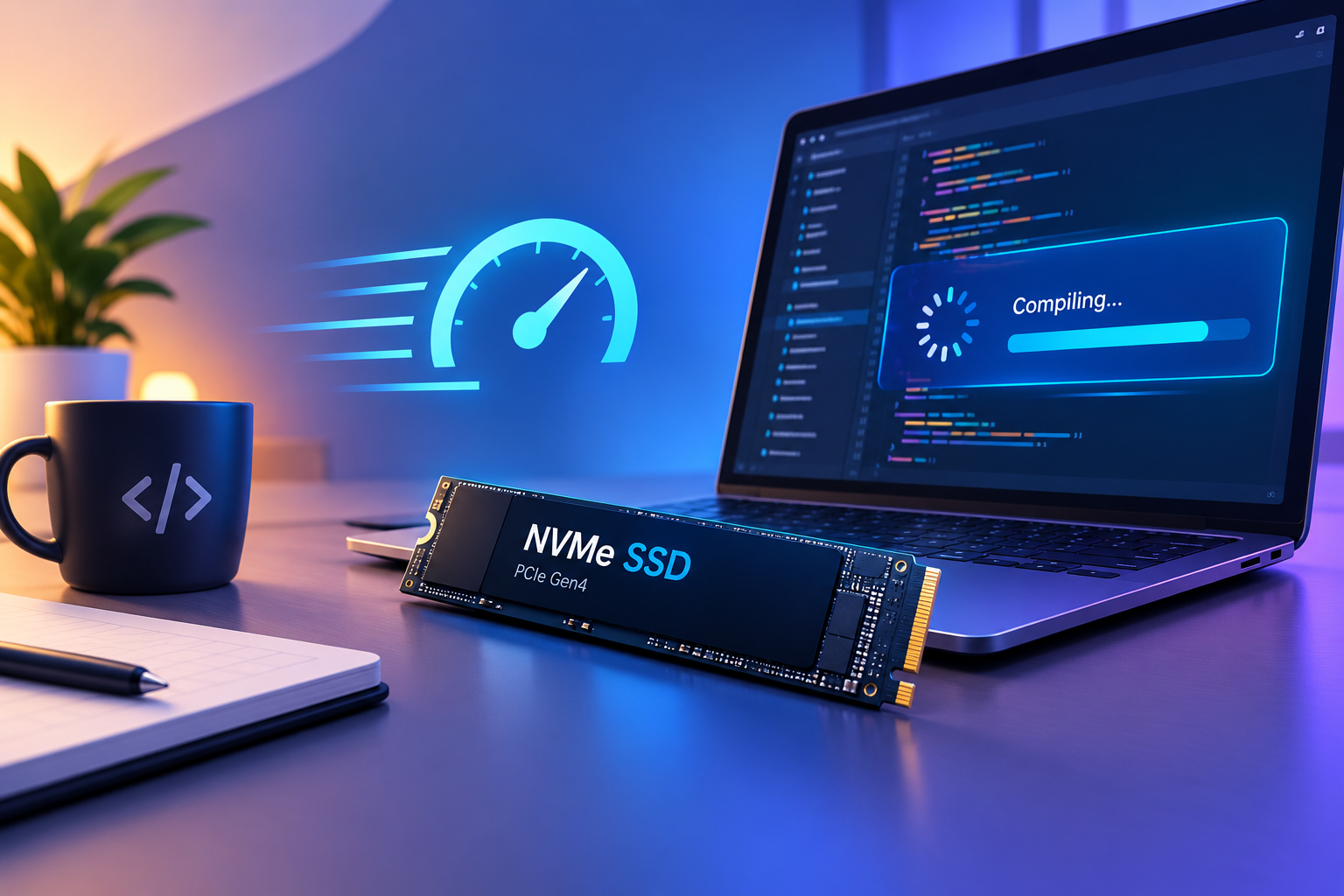
Physical desktop storage and external NVMe SSDs provide local, high-speed data access without relying on internet bandwidth or recurring subscription fees. They give businesses absolute physical control over sensitive offline archives.
- Maximum Transfer Speeds: Direct hardware connection ensures lightning-fast file read and write speeds for heavy local video editing or database backups.
- Complete Data Sovereignty: Your sensitive company data stays physically inside your office premises under your strict security oversight.
- No Recurring Fees: A one-time hardware purchase cost with no monthly cloud subscription bills.
Recommended Local Backup Hardware
If you prefer maintaining secure local backups alongside your cloud servers, check out this high-capacity External Portable SSD Storage Drive available on Amazon. It offers shock-resistant portability and ultra-fast transfer speeds for enterprise backups.
3. The Hybrid Approach: Best of Both Worlds
Most modern enterprises in 2026 do not rely on just one storage medium. Instead, they implement a Hybrid Storage Strategy:
Active project files and team collaborations are maintained on secure cloud environments, while massive raw archives, cold backups, and sensitive client databases are safely backed up on encrypted physical desktop drives.
Conclusion
Your choice between cloud storage and desktop hard drives depends entirely on your business workflow, budget, and security policies. Evaluating your long-term data requirements will help you design a resilient architecture that keeps your operations running smoothly.